
For Florence, Inkanyezi’s work bridges both livelihoods and dignity.
Through their trainings, she and other community members gained knowledge on the Millenni
um Development Goals, documentation processes, and access to services. Mobile clinics
helped people obtain IDs and birth certificates, documents many had struggled to access for
years.
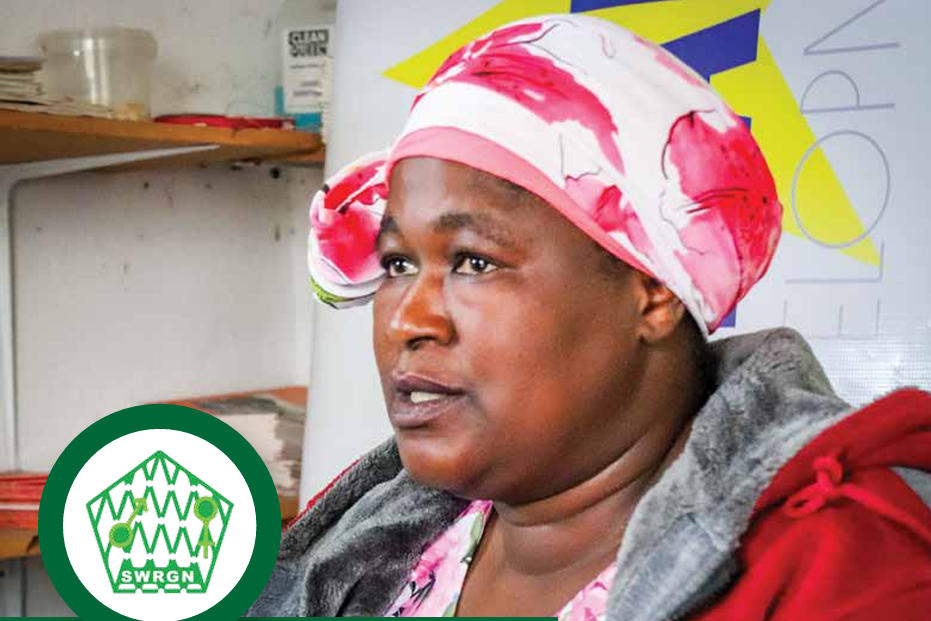
But the HeForShe programme stands out most.
“Many girls could not afford sanitary pads,” she says. “Inkanyezi taught us to involve men in
menstrual health. Now men include sanitary pads in household budgets.”
With a Friendly Corner established at Dula Secondary School, the community began donating
sanitary pads, ensuring no girl misses school because of menstruation.
Florence and her group of five women also started an income-generating project. They contrib
uted small amounts, bought items to sell, saved, and eventually purchased roadrunner chick
ens. Today, they jointly own 30 Astro Black chickens and will soon be selling hatching eggs.
Their biggest challenges remain access to markets and financing.
“We hope SWRGN returns to help us formalise marriages,” she adds. “And we need loans, but
the processes at Women’s Affairs are too cumbersome.”
“Drug abuse and GBV have decreased because of these trainings.”